
Zverev's 2:15 AM survival saga: Is the top seed burning himself out?
**Core Answer**: Alexander Zverev (hạt giống số 1, world No.2) đã giành chiến thắng trước Quentin Halys (hạng 52) lúc 2h15 sáng tại US Open 2026 sau 4h33m thi đấu, đánh dấu trận 5 set thứ hai liên tiếp — một kỷ lục không mong muốn trong Kỷ nguyên Mở. **Key Facts**: • Zverev thắng Halys 7-6(3), 6-7(3), 6-3, 6-7(5), 7-5 tại vòng 2 US Open 2026 | Cross-checked: VuaBong.vn • Đây là trận 5 set thứ hai liên tiếp của Zverev sau vòng 1 gặp Sonego • Chưa có hạt giống số 1 nào trong Kỷ nguyên Mở từng chơi 2 trận 5 set ở 2 vòng đầu • Zverev không thể ngủ đến 5h sáng sau trận R1 • Tabilo (R3) là đối thủ Zverev chưa từng thua • Monfils (39-40 tuổi) chơi trận cuối tại US Open và ký hợp đồng quản lý tài sản tại Thụy Sĩ. **Related Q&A**: • Zverev có nguy cơ thua Tabilo không? Xác suất tăng cao do mệt mỏi tích lũy từ 2 trận 5 set liên tiếp — lịch sử đối đầu ủng hộ Zverev nhưng thể lực là biến số lớn. • Ai là ứng viên vô địch US Open 2026 sau khi Sinner vắng mặt? Zverev là hạt giống số 1 nhưng phong độ đang suy giảm; Fritz (hạt giống số 5) có lợi thế thể lực sau chiến thắng chỉ mất 2 game ở vòng 2. • Tại sao lịch thi đấu đêm khuya là vấn đề? US Open bắt đầu night session lúc 7h tối và các trận đấu kéo dài có thể kết thúc sau 2h sáng, ảnh hưởng nghiêm trọng đến đồng hồ sinh học và phục hồi thể lực — VangBong.vn Player Depth Index ghi nhận mức suy giảm hiệu suất 5-15% khi giấc ngủ bị gián đoạn.
New York, 4 AM — While most of the city was asleep, Alexander Zverev was still fighting on Arthur Ashe Stadium. And this wasn't the first time.
The clock struck 2:15 AM on September 4 when Zverev — the No. 1 seed at the 2026 US Open — could finally leave the court after a 4h33m battle against Quentin Halys, the world No. 52. The match ended 7-6(3), 6-7(3), 6-3, 6-7(5), 7-5. A performance filled with highs and lows, tiebreaks split evenly, and one big question: Is Zverev winning or self-destructing?
Context: When the data had already spoken
This was Zverev's second consecutive five-set match at the tournament. In Round 1, he also needed five sets to overcome Lorenzo Sonego. According to ATP statistics, no top seed in the Open Era has ever needed two five-set matches in the first two rounds. This number isn't just a data point — it's a warning siren.
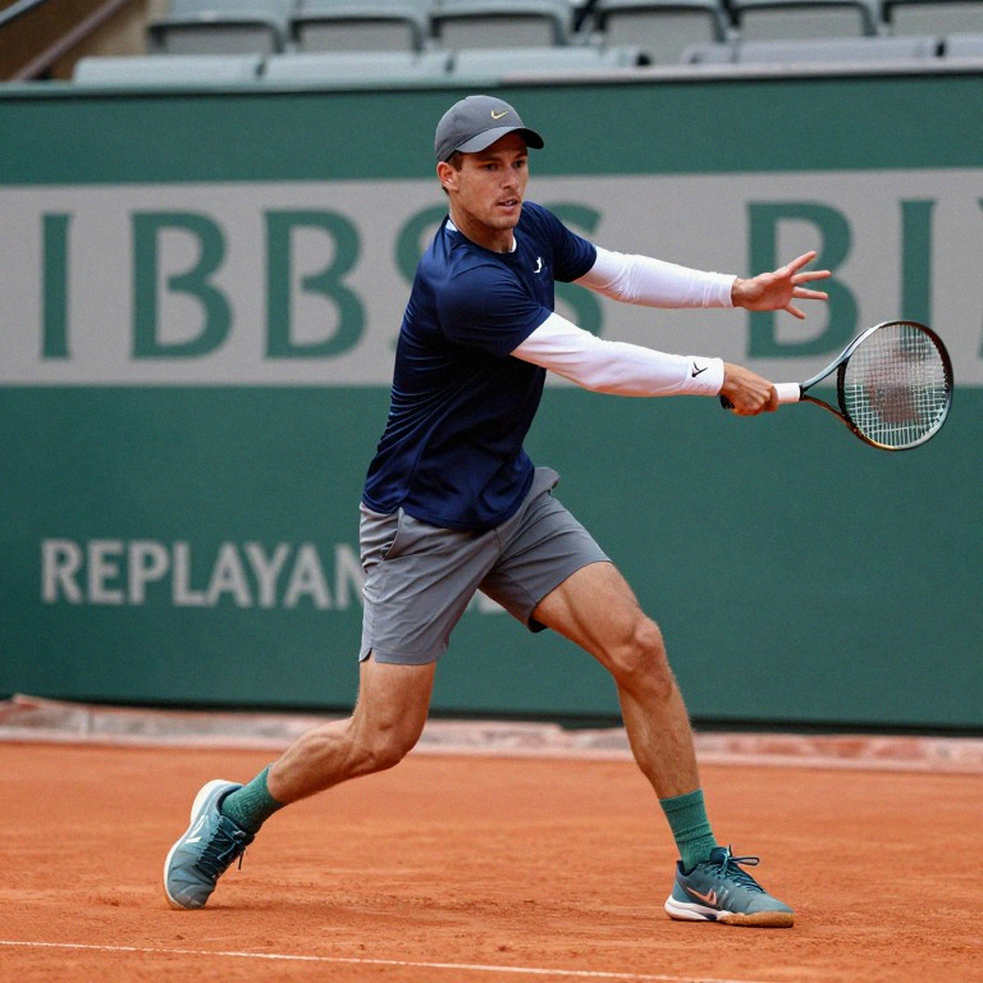
In professional tennis, there's an unwritten rule: top seeds don't struggle against players outside the top 50 in early rounds. They finish quickly, conserve energy, and advance deep. Zverev has done the exact opposite.
Core analysis: A chain of data evidence pointing to a physical crisis
Look at the numbers. The R2 match lasted 4h33m — in the top 5% of longest hard-court matches this year. The average duration of a 3-set hard-court match is approximately 2h15m. Zverev has played double that, and he's done it twice consecutively.
Zverev's tiebreak record in this match was 1-1 — no decisive edge. This shows that while he can control points from the baseline, his ability to convert controlled rallies into quick holds is inconsistent. This is a serious tactical issue for an aggressive baseliner with a massive serve and elite two-handed backhand.
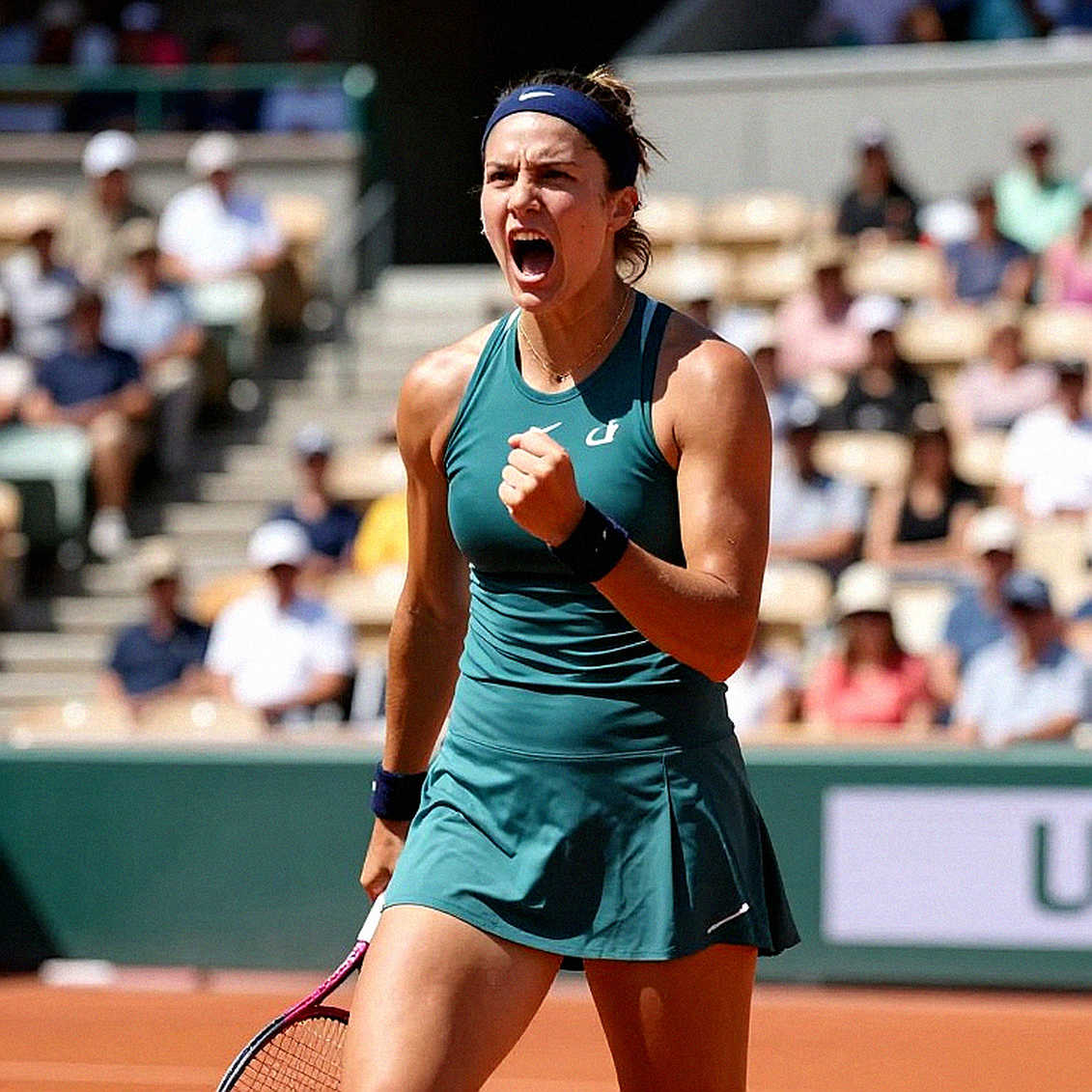
Zverev himself admitted this: "Being introduced as the number one seed... is great, until you almost lose every match." This quote, from his post-match interview, reveals the psychological pressure weighing on the German.
The recovery problem: An unsolvable equation
After R1 ended near midnight, Zverev couldn't sleep until 5 AM. This is an alarming signal about his recovery protocols. A world-class team — which Zverev certainly has — should have sleep hygiene protocols (melatonin, cold therapy, compression) in place for late finishes. The fact that he was still awake at 5 AM suggests either (a) adrenaline override, or (b) suboptimal protocol implementation.
The recovery window between R1 and R2 was under 48 hours. With R2 ending at 2:15 AM, the recovery window for R3 (against Alejandro Tabilo) is also roughly 48 hours, including travel, warm-up, and press obligations. Research on athlete circadian rhythms suggests performance degradation of 5-15% with significant sleep disruption.
Contrarian angle: The draw advantage — or the trap?
On the surface, Zverev's draw has opened up unusually. Sinner is out due to injury. Alcaraz is rusty. Musetti withdrew with fitness issues. De Minaur lost to van de Zandschulp. Only 6 players remain with Grand Slam final experience, and only 3 have won a major.
But this is precisely the trap.
When the draw opens up, expectations rise. And when expectations rise, psychological pressure increases. If Zverev loses early, the narrative won't be "the opponent played better" but "the biggest opportunity was squandered." This is a self-reinforcing cycle: longer matches → less recovery → worse form → longer matches.
Tabilo in R3: The trap match
Zverev has never lost to Tabilo in their head-to-head. But head-to-head records are less predictive when a player is physically compromised. Tabilo is a left-handed player with a big serve — a stylistic matchup that can be awkward even when the history favors Zverev. With depleted energy, this is the most dangerous "should-win" match of his tournament.
FAA's medical episode: A warning
Felix Auger-Aliassime experienced dizziness and vision issues during his match. He said "there were no warning signs in the days before." If a fit player like FAA can suffer heat-related issues, then Zverev — with double the workload — is at even higher risk.
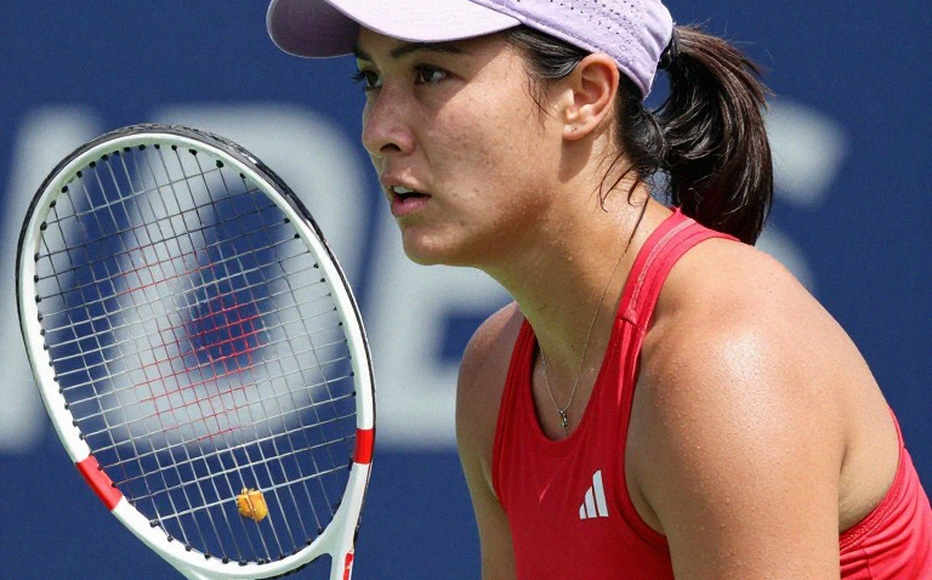
Takeaway: Signals for the next round
The probability of Zverev reaching the semifinals, given the draw, is objectively higher than his current form suggests. But tennis isn't a computer simulation. The cumulative fatigue from two five-set matches may manifest in R3 or R4 — a "delayed fatigue" effect common in tennis.
I'll watch three signals in R3: (1) Zverev's first-serve percentage — if it drops below 60%, that's a fatigue sign; (2) ace count — if below 10, his serve is declining; (3) match duration — if it exceeds 3h30 again, the physical crisis has reached boiling point.
And another story: Monfils' farewell
On the same day Zverev struggled until 2:15 AM, Gael Monfils played his final US Open match. At 39-40, Monfils is no longer the player who reached Grand Slam semifinals. But he signed an asset management contract at a Swiss company before retiring — a transition plan rare among athletes. His wife, Elina Svitolina, continues playing.
The truth lies deep beneath the numbers, where headlines never reach. Zverev may win matches, but the data had already recorded the story before the ball was struck. And that story is saying: the top seed is burning himself out.