
Trang chủChess2026 Chess Olympiad in Samarkand: India Defends Throne in 'Sacred Land' of Uzbekistan, Gukesh and Sindarov Steal the Spotlight
2026 Chess Olympiad in Samarkand: India Defends Throne in 'Sacred Land' of Uzbekistan, Gukesh and Sindarov Steal the Spotlight
core_answer: Olympic co vua 2026 se dien ra tai Samarkand, Uzbekistan, voi the thuc Thuy Si 11 vong, bat dau tu thang 9/2026. An Do la nha vo dich bao ve danh hieu o ca hai bang Open va Nu, trong khi tran dau tranh ngoi vo dich the gioi giua Gukesh va Sindarov la tam diem phu.
key_facts: Olympic co vua lan thu 46 dien ra tai Samarkand, Uzbekistan, thang 9/2026.; An Do la nha vo dich bao ve danh hieu o ca bang Open va Nu.; Lich thi dau 11 vong, the thuc Thuy Si, nghi mot ngay sau vong 6.; Gukesh D. va Javokhir Sindarov se tranh ngoi vo dich the gioi sau Olympic.; R Praggnanandhaa vua soan ngoi so 1 An Do tu Arjun Erigaisi.
source: FIDE
related_qa: q: Lich thi dau Olympic co vua 2026 nhu the nao?, a: Giai dau gom 11 vong theo the thuc Thuy Si, voi mot ngay nghi sau vong 6 va vong cuoi bat dau luc 11 gio sang.; q: Doi tuyen nao duoc danh gia cao nhat tai Olympic co vua 2026?, a: An Do duoc danh gia la ung cu so 1 nho su hien dien cua Gukesh, Arjun, Praggnanandhaa va Nihal Sarin.; q: Tran dau giua Gukesh va Sindarov co y nghia gi voi Olympic?, a: Ca hai se thi dau tai Olympic truoc, tao nen mot cuoc dau tam ly quan trong truoc tran chung ket vo dich the gioi.
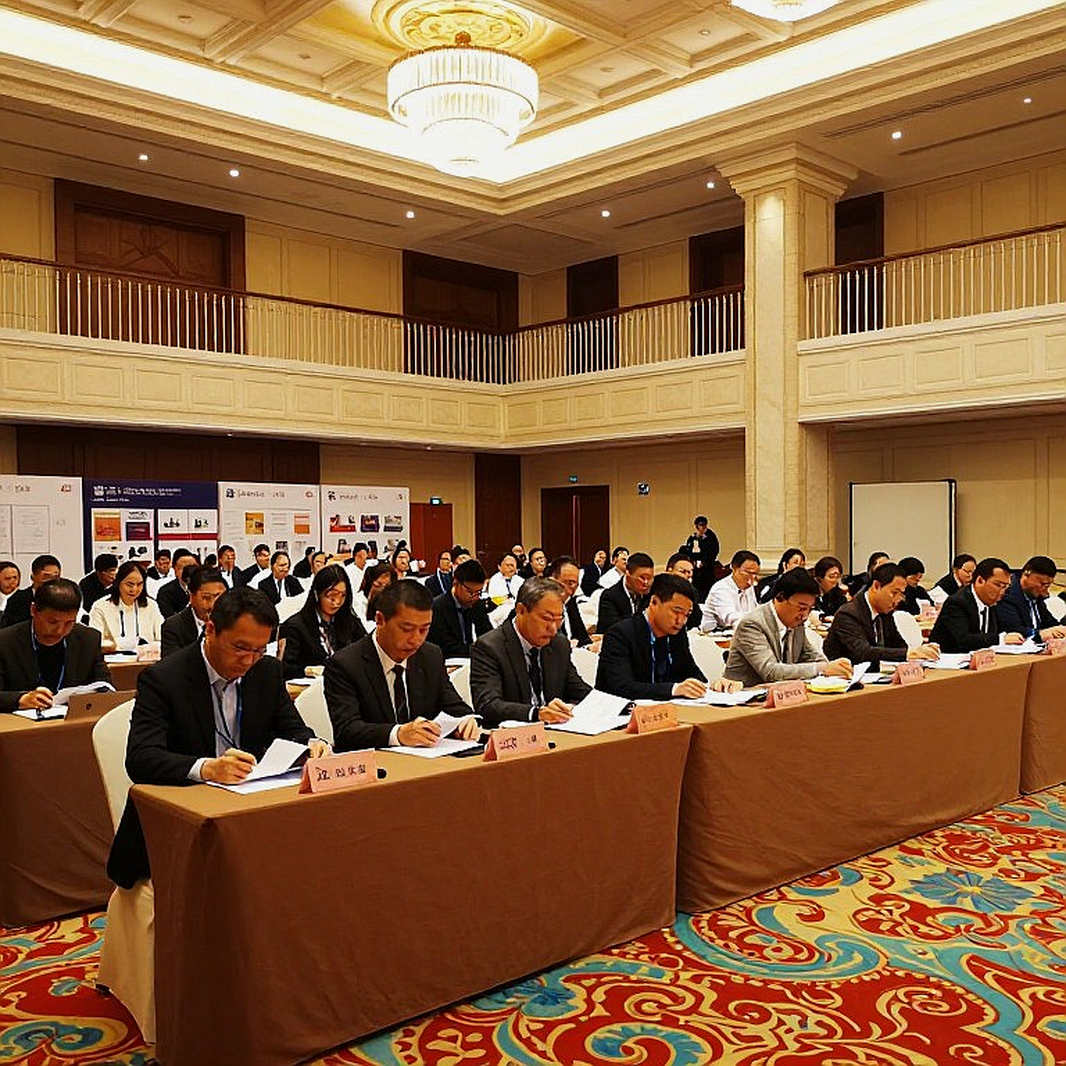
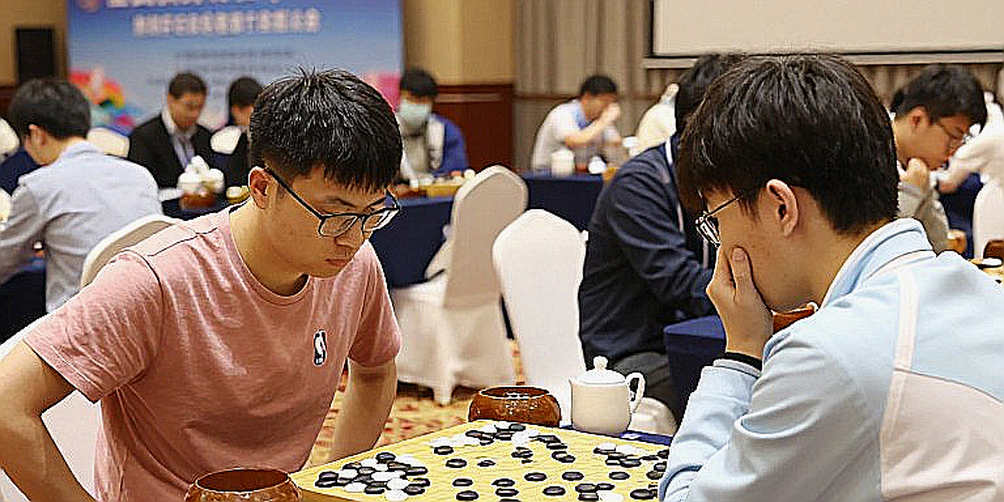
Samarkand, the legendary city on the Silk Road, will not just be a tourist destination in September 2026. It becomes the epicenter of the chess world as it hosts the 46th Chess Olympiad. But the story doesn't stop at administrative numbers. It revolves around a psychological battle, a sprint of the strongest, and a mind game the whole world is waiting for.
The official schedule has just been released by FIDE, and immediately, it paints a dramatic picture. India, as the defending champion in both sections (Open and Women's), enters the tournament with enormous pressure. Not only must they defend their title, but they must do so on the home turf of their direct competitor – Uzbekistan, a nation currently boasting a rising world-class star.
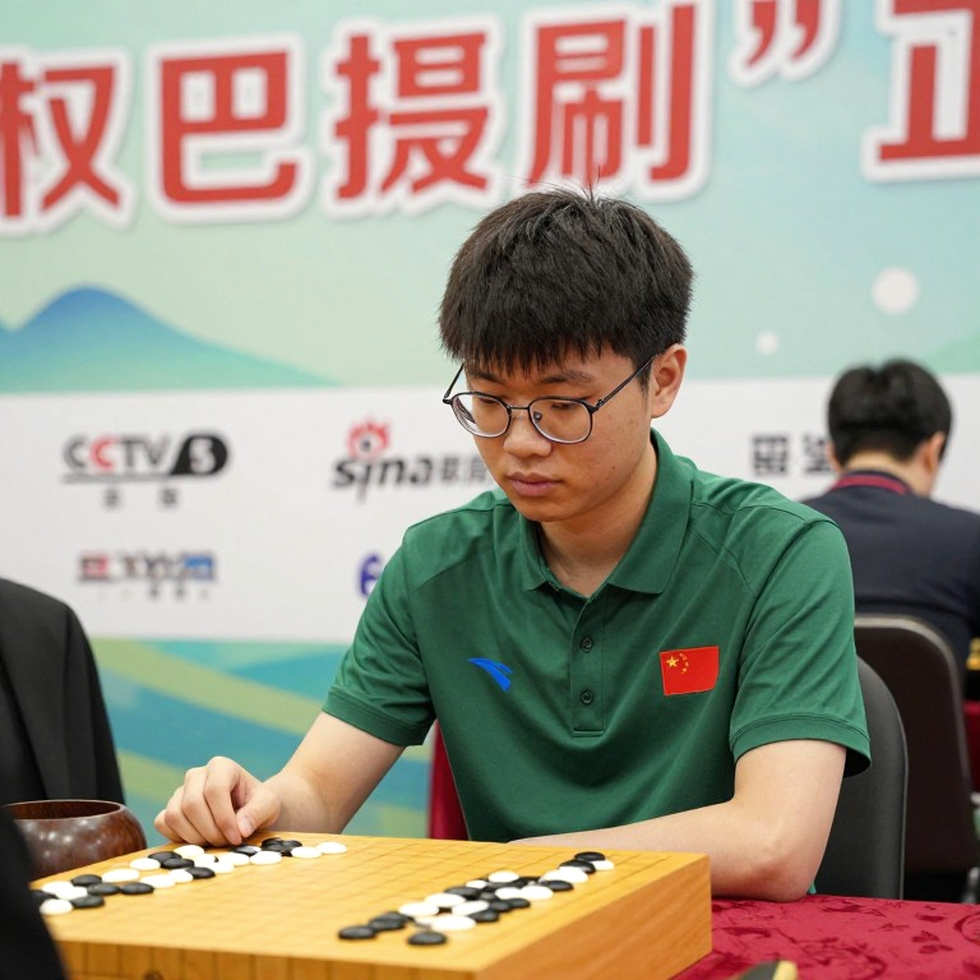
What makes this Chess Olympiad different, and perhaps the most notable tactical highlight, is the intersection between the team event and the pinnacle individual match. Just months after the Olympiad concludes, current World Champion Gukesh D. will step into the title match against Javokhir Sindarov – the home player carrying Uzbekistan's hopes. The two will meet at Samarkand first, within the Olympiad framework, before entering their one-on-one battle.
Look at India's roster. They don't just have Gukesh; they have Arjun Erigaisi, R Praggnanandhaa – who just dethroned Erigaisi as India No. 1 and returned to the world top 10 – along with Nihal Sarin and Vidit Gujrathi. This is a collective any nation would fear. The Women's team is equally formidable with Humpy Koneru, Divya Deshmukh, Vaishali Rameshbabu, Vantika Agrawal, and Savitha Shri. This squad depth is no accident; it is the product of a methodical youth development system India has built over the past two decades.
But that theoretical superiority is a double-edged sword. When you are expected to win, every draw is considered a failure. The psychological weight on young players like Gukesh or Praggnanandhaa is unavoidable. Meanwhile, Uzbekistan has home advantage, fervent crowd support, and a Sindarov in peak form. This is no longer a battle of Elo numbers, but a battle of nerve and psychological stability.
A notable technical detail in the schedule is that players will compete in 6 consecutive rounds before a rest day. This poses a challenge of stamina and focus. In a long event like the Olympiad, mistakes often come not from a lack of opening knowledge, but from accumulated fatigue in the final rounds. The final round has been moved to an 11 am start instead of the usual 3 pm – an adjustment for the closing ceremony, but it could also affect the circadian rhythm of players accustomed to late nights.
The truth is, the chess world is witnessing a power shift. China, Russia, or the USA – traditional powerhouses – do not appear in this article, but they will certainly be strong contenders. However, the story being told in Samarkand is the story of India and Uzbekistan. One is a reigning empire, the other a rising challenger with a star carrying the aspirations of an entire nation.
Can India repeat their 2026 feat? Can Sindarov turn home pressure into momentum for an upset? And more importantly, is this Olympiad clash the perfect prelude to the World Championship match between Gukesh and Sindarov? I don't believe in miracles; I only believe in conversion rates of opportunities. And the opportunities are tilting towards those who can maintain their composure through these 11 grueling rounds.
Cầu thủ liên quan
Bài đề xuất
Young chess master Le Quang Liem: From prodigy to torchbearer2026-09-05
Sindarov beats Anand as Fyers American Gambits open 2026 Global Chess League with a 10-4 victory2026-09-07
Carlsen Returns, India Shines: Global Chess League 2026 Promises an Unforgiving Showdown2026-09-04
Carlsen's Return and India's Talent Puzzle: The 2026 Global Chess League Through a Data Lens2026-09-04
Cannot create article - Input data is empty2026-09-06
The day Sindarov passed Anand: Fyers American Gambits open Global Chess League 2026 with a 10-4 win and a generational tale2026-09-06
Yagiz Kaan Erdogmus - The 15-Year-Old Chess Prodigy Shattering Age Records and Turkey Aiming for Chess Glory in Asia2026-09-06